Tuesday, December 18, 2018
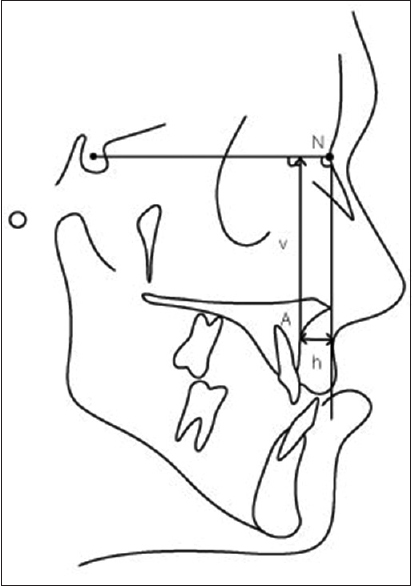
Assessment of mandibular retrognathism and maxillary prognathism as contributory factors for skeletal Class II malocclusion: A cephalometric study p. 99 Suraj Prasad Sinha, Krishna U S Nayak, Crystal Runa Soans, PS Murali, Akhil Shetty, MS Ravi DOI:10.4103/ijohs.ijohs_3_18 Aim: The aim of this study is to evaluate the skeletal factor (maxillary excess and/or mandibular deficiency) contributing for the skeletal Class II malocclusion. Materials and Methods: Lateral cephalograms of 100 individuals (50 males and 50 females) in the age group of 18–30 years, having skeletal Class II malocclusion with ANB of more than 4, were evaluated. The parameters to be used for prediction of maxillary prognathism include linear measurement of Nasion perpendicular to point A, and for the mandibular retrognathism, it is linear measurement of Nasion perpendicular to Pogonion, as suggested by Burstone analysis. Results: The 34% of the studied sample size had the Class II skeletal pattern (ANB >4), but

New Guidelines Differ in Advice on PSA Screening
The benefits of prostate specific antigen (PSA) screening for prostate cancer in men has been under controversy for a number of years. Some of the issues are that although prostate cancer is the second leading cause of cancer death in men, most prostate cancers are slow-growing and never cause problems. And while PSA screening can detect cancer early, when it is curable, it is most commonly positive with benign prostatic hyperplasia (BPH), not prostate cancer. (For more details about the issues, see the articles on PSA and Prostate Cancer.)
An international panel of experts recently published in The BMJ (formerly the British Medical Journal) their "Rapid Recommendations" that outlined initiatives advising against routine PSA screening for prostate cancer. Moreover, they suggest that healthcare practitioners should not feel compelled to routinely ask patients about their desire for screening, though they should help patients who raise the issue to make an informed decision.
The recommendations state that for most men, the benefit of screening is small and uncertain, and that there are clear harms and possible side-effects involved in follow-up treatment for positive PSA results. The panel acknowledges that these recommendations may not apply to all men, especially those who have a family history of prostate cancer, are of African descent, or of lower socioeconomic status. For these men, the panel recommends shared decision-making between the patient and the healthcare practitioner.
However, The BMJ panel's guidance contrasts with advice from other organizations that also issue PSA screening recommendations. The U.S. Preventive Services Task Force (USPSTF) earlier this year updated and finalized guidelines that moved from recommending against routine PSA screening to advising that men ages 55 to 69 discuss the issue with their healthcare practitioners to make an informed decision about whether screening is right for them. The Task Force did recommend that men age 70 or older would not need screening.
The change came about after the Task Force reviewed published data on 1,904,950 men on the use of PSA testing to screen for cancer. The USPSTF team's research revealed that the potential harms and benefits of PSA screening for this population are about the same, leading them to conclude that the decision to screen "should be an individual one." Men considering screening should weigh the potential benefits and harms, including:
Potential benefits of PSA screening
- Early detection of cancer when it is most treatable would potentially lower the risk of cancer death for some men.
- Detecting any prostate cancer for men who value knowing their cancer status over possible PSA screening harms
Potential harms of PSA screening
- A false-positive test result (when a man has an elevated PSA level but does not have prostate cancer) could lead to stress and more unnecessary tests, including a prostate biopsy. Possible prostate biopsy side-effects and complications include blood in semen, blood in urine, pain, fever, and sepsis.
- The overdiagnosis and treatment of men with prostate cancer who would never have symptoms or die from their cancer; treatment, which typically includes surgery, chemotherapy and/or radiation therapy, can lead to urinary incontinence, bowel dysfunction and erectile dysfunction. Some men may avoid harms of overtreatment by choosing not to treat immediately but opting for "watchful waiting," which may include occasional PSA tests, or "active surveillance" that involves PSA tests done about every six months with digital rectal examsand prostate biopsies (annually) to monitor the cancer.
The BMJ panel came to their conclusion based on a detailed review and analysis of over 700,000 men in five PSA screening clinical trials who had no previous diagnosis of prostate cancer. Analyses of the clinical trial data revealed that for this population of men, PSA screening reduces prostate cancer deaths, but the effect is small. Most of the men with elevated PSA levels opted to have a prostate biopsy, but no cancer was found. As for the small number of men whose elevated PSA levels were consistent with prostate cancer, many would never experience symptoms or die from their cancer. Therefore, the panel issued a "weak recommendation" against healthcare providers actively offering PSA screening to their patients.
The BMJ panel's recommendation is categorized as weak because of the "small and uncertain benefits of screening on prostate cancer mortality and the large variability in men's values and preferences." More simply put, a weak recommendation means that shared decision-making is important. For men who ask about PSA screening, The BMJ panel urges healthcare providers to share information with their patients so that they can make educated decisions for themselves.
The American Academy of Family Physicians agrees with The BMJ Rapid Recommendations, while other groups, including the American Cancer Society, the American Urological Association, the American College of Physicians, and the U.S. National Comprehensive Cancer Network, have issued PSA screening recommendations that are similar to those of the USPSTF.
https://labtestsonline.org/news/new-guidelines-differ-advice-psa-screening
Valor clínico y pronóstico de la PET/TC con 18F-FDG en el cáncer de endometrio recurrente
Publication date: Available online 17 December 2018
Source: Revista Española de Medicina Nuclear e Imagen Molecular
Author(s): D. Albano, V. Zizioli, F. Odicino, R. Giubbini, F. Bertagna
Resumen
Objetivo
El carcinoma endometrial (CE) es un cáncer con un buen pronóstico general, excepto en los casos de CE recurrente o avanzado. El objetivo de este estudio fue evaluar el rendimiento diagnóstico y pronóstico y el impacto en el manejo terapéutico de la PET/TC con 18F-FDG en la sospecha de CE recurrente.
Material y métodos
Se evaluaron retrospectivamente 157 pacientes con CE histológicamente probado y reestadificación de PET/TC con 18F-FDG por sospecha de recurrencia. Las imágenes PET se analizaron visualmente y semicuantitativamente midiendo SUVmax, VMT y GTL. Se tomó como referencia una combinación de seguimiento clínico/radiológico/histopatológico. La supervivencia libre de progresión (SLP) y la supervivencia global (SG) se calcularon usando las curvas de Kaplan-Meier.
Resultados
Setenta y nueve pacientes tuvieron una PET/TC con 18F-FDG positiva que mostró la presencia de al menos una lesión hipermetabólica compatible con recurrencia, mientras que los 78 restantes fueron negativos. La sensibilidad, la especificidad, el valor predictivo positivo, el valor predictivo negativo y la precisión de la PET/TC con 18F-FDG fueron del 96, del 99, del 99, del 96 y del 97%, respectivamente, y fueron más altos en comparación con las imágenes convencionales: 97, 62, 72, 96 y 80%. Después de un seguimiento medio de 39 meses, la recaída/progresión ocurrió en 58 pacientes y la muerte en 37, con un tiempo promedio de 22,1 y 27,6 meses, respectivamente. Una PET/TC con 18F-FDG positiva y un estadio FIGO avanzado se asociaron significativamente con una SLP y SG más cortos. Los resultados de PET/TC tuvieron un impacto significativo en el abordaje terapéutico en 33 pacientes: evitaron terapias innecesarias en 28 y modificaron la terapia en 5.
Conclusiones
La 18F-FDG-PET/TC tiene un muy buen rendimiento diagnóstico en pacientes con sospecha de CE recurrente, y tiene un importante valor pronóstico en la evaluación de SLP y SG. Además, la PET/TC permitió un cambio en la decisión de tratamiento en aproximadamente el 20% de los casos.
Abstract
Purpose
Endometrial carcinoma (EC) is a cancer with a good overall prognosis, except in cases of recurrent or advanced EC. The aim of this study was to assess the diagnostic performance, the prognostic value and the impact on therapeutic management of 18F-FDG PET/CT in suspected recurrent EC.
Materials and methods
We retrospectively evaluated 157 patients with histologically proven EC and restaging 18F-FDG PET/CT for suspected recurrence. The PET images were analyzed visually and semi-quantitatively by measuring SUVmax, MTV and TLG. A combination of clinical/imaging follow-up and/or histopathology was taken as reference standard. Progression-free survival (PFS) and overall survival (OS) were computed using Kaplan-Meier curves.
Results
Seventy-nine patients had positive 18F-FDG PET/CT showing the presence of at least one hypermetabolic lesion consistent with recurrence, while the remaining 78 were negative. Sensitivity, specificity, positive predictive value, negative predictive value and accuracy of 18F-FDG PET/CT were 96%, 99%, 99%, 96%, 97%, respectively, and were higher compared to conventional imaging: 97%, 62%, 72%, 96%, 80%. After a mean follow-up of 39 months, relapse/progression occurred in 58 patients and death in 37 with an average time of 22.1 and 27.6 months, respectively. A positive 18F-FDG PET/CT and advanced FIGO stage were significantly associated with shorter PFS and OS. PET/CT results had a significant impact on therapeutic approach in 33 patients: avoiding unnecessary therapies in 28 and modifying therapy in 5.
Conclusions
18F-FDG PET/CT has a very good diagnostic performance in patients with suspected recurrent EC and has an important prognostic value in assessing PFS and OS. Moreover, PET/CT allowed for a change in treatment decision in about 20% of cases.
from Imaging via a.sfakia on Inoreader https://ift.tt/2S7UqLZ
Función pronóstica de los parámetros derivados de FDG PET en la estadificación preoperatoria del cáncer de endometrio
Publication date: Available online 17 December 2018
Source: Revista Española de Medicina Nuclear e Imagen Molecular
Author(s): P. Mapelli, A. Bergamini, F. Fallanca, P.M.V. Rancoita, R. Cioffi, E. Incerti, E. Rabaiotti, M. Petrone, G. Mangili, M. Candiani, L. Gianolli, M. Picchio
Resumen
Objetivo
Investigar el papel pronóstico preoperatorio de la PET/TC con 18F-FDG en pacientes con carcinoma de endometrio (CE).
Material y métodos
Se realizó PET/TC con 18F-FDG en 57 pacientes para el estudio preoperatorio del CE. Se evaluaron los valores de captación estandarizados máximos y medios (SUVmax, media), volumen tumoral metabólico (MTV) y glicólisis de lesión total (TLG) de tumores primarios, a diferentes umbrales de 40%, 50%, 60% (40-50-60), comparándose con las características anatomopatológicas. Se evaluó el rendimiento diagnóstico de los parámetros PET (categorizados por análisis ROC) en la discriminación de la enfermedad de bajo y mediano riesgo y el papel pronóstico en la supervivencia (supervivencia global-OS, supervivencia libre de enfermedad-SSE).
Resultados
Los TLG40-50-60 categorizados fueron los únicos parámetros relacionados con FIGO estadio I versus II-III-IV (p = 0,0035 para todos). Los puntos de corte para la estratificación del riesgo fueron 83,69, 61,81 y 41,32, respectivamente (sensibilidad: 60%; especificidad, 71,43% para todos los parámetros. El estadio patológico 1 (pT1) del tumor primario se predijo con MTV60 y TLG40-50 (p = 0,0328, 0,0240 y 0,0147, respectivamente). Los umbrales óptimos fueron 7,795, 99,55 y 77,58, respectivamente (sensibilidad: 38,46%, 53,85% y 53,85%, respectivamente; especificidad: 88,64%, 79,55% y 81,82%, respectivamente). SUVmax y SUVmean40-50-60 fueron los únicos parámetros que discriminaron el subtipo endometrioide del no endometrioide. La sensibilidad fue del 64,86% y 62,16% para SUVmax y SUVmean50-60, y 62,16% para SUVmean40; la especificidad fue del 70% para todos los parámetros. La SG media (DE) fue del 79,77% (3,34%) y la SSE media fue del 77,89% (3,73%). El tipo de tumor fue la única variable significativamente asociada a la SG (p = 0,0486). TLG50 > 77,58 cm3 fue la única variable asociada a un mayor riesgo de recaída (p = 0,0472).
Conclusión
TLG40-50-60 y MTV60 de EC primaria tienen valor pronóstico para discriminar FIGO y estadificación patológica. Estos resultados sugieren un posible papel de estos parámetros en la predicción de la agresividad de la CE, mejorando así la caracterización preoperatoria del cáncer de endometrio.
Abstract
Purpose
To investigate the preoperative prognostic role of 18F-FDG PET/CT in patients with endometrial carcinoma (EC).
Methods
18F-FDG PET/CT was performed in 57 patients for EC preoperative staging. Maximum and mean standardized uptake values (SUVmax, mean), metabolic tumor volume (MTV) and total lesion glycolysis (TLG) of primary tumors, at different thresholds of 40%, 50%, 60% (40–50–60), were evaluated and compared with anatomopathological features. The diagnostic performance of PET-parameters (categorized by ROC analysis) in discriminating low-intermediate and high-risk disease and the prognostic role on survival (overall survival –OS; disease free survival – DFS) was evaluated.
Results
The categorized TLG40-50-60 were the only parameters related to FIGO stage I versus II-III-IV (p = 0.0035 for all). The cut-off values for risk stratification were 83.69, 61.81 and 41.32, respectively (sensitivity: 60.00%; specificity; 71.43% for all parameters). Pathological stage 1 (pT1) of the primary tumor was predicted by MTV60 and TLG40-50 (p = 0.0328, 0.0240, 0.0147, respectively). The optimal thresholds were 7.795, 99.55 and 77.58, respectively (sensitivity: 38.46%, 53.85% and 53.85%, respectively; specificity: 88.64%, 79.55% and 81.82%, respectively). SUVmax and SUVmean40-50-60 were the only parameters discriminating endometrioid from non-endometrioid subtype. The corresponding sensitivity was 64.86% and 62.16% for SUVmax and SUVmean 50-60 and 62.16% for SUVmean40; specificity was 70.00% for all parameters. The mean (SD) OS was 79.77% (3.34%) and the mean DFS was 77.89% (3.73%). The tumor type was the only variable significantly associated with OS (p = 0.0486). TLG50 > 77.58 cm3 was the only variable associated with a higher risk of relapse (p = 0.0472).
Conclusion
TLG40–50–60 and MTV60 of primary EC have prognostic value in discriminating FIGO and pathological staging. These results suggest a possible role of these parameters in predicting EC aggressiveness, thus improving the preoperative characterization of endometrial cancer.
from Imaging via a.sfakia on Inoreader https://ift.tt/2A4UuFf
New Guidelines Aim to Improve Health of Women with Polycystic Ovary Syndrome
An international consortium that included the American Society of Reproductive Medicine, the Centre for Research Excellence in PCOS in Australia, and the European Society of Human Reproduction and Embryology has released new guidelines on polycystic ovary syndrome (PCOS), a condition associated with hormone imbalances in women. "It's a global initiative with the intention of improving the health and the quality of life of women with PCOS and supporting their health professionals to partner with them to do so," said Helena Teede, MBBS, PhD, the lead author of the guideline as well as professor of women's health and director of the Monash Centre for Health Research and Implementation at Monash University in Melbourne, Australia.
PCOS can be hard to recognize and diagnose. While the term 'polycystic' refers to cysts on the ovaries, not every woman with PCOS will have cysts. Some women may only have a few features of the condition and these may change over time both in terms of severity and which features are expressed. Some features, such as weight gain and excess facial and body hair, can vary between ethnic groups, according to the guidelines. The variety of symptoms is one of the reasons PCOS can be difficult to diagnose. The diagnosis of PCOS can also be quite challenging in adolescents, as menstrual cycles naturally tend to vary for several months after girls have their first menstrual periods (menarche) and ultrasound characteristics are not used for diagnosis. At present, there is no specific test that can diagnose PCOS.
The main goal of the guidelines, released in July, is to standardize care for women who have PCOS. Dr. Teede says researchers will continue to study the condition and update the guidelines as needed. The new guidelines were published simultaneously in three journals: Clinical Endocrinology, Human Reproduction and Fertility and Sterility. As part of the guidelines release, a patient guide was also published to provide detailed information for girls and women with PCOS.
PCOS is the most common hormone disorder in women, affecting 13% of women worldwide, and is a leading cause of infertility in women. The condition can affect girls as young as 11 years old. It is estimated that 5 to 6 million girls and women in the U.S. have PCOS, yet many don't know they have it.
According to Professor Teede, PCOS is a multi-faceted condition, "with reproductive, metabolic and psychological features, which often means diagnosis is delayed, treatment is often not holistic and opportunities for prevention, treatment and improved health outcomes including in infertility and pregnancy health are missed."
While the exact underlying causes of PCOS are not known, there is a genetic component—women with mothers or sisters who have PCOS are twice as likely to have the condition. It is thought that the main problems are an imbalance of sex hormones and resistance to the effects of the hormone insulin, which helps regulate glucose levels in the blood. Women with PCOS may overproduce androgens such as testosterone and may experience various signs and symptoms, such as excess facial and body hair, acne, and weight gain. When there is insulin resistance, the body tries to compensate by making even more insulin. Too much insulin may cause the ovaries to increase androgen production, which in turn causes the symptoms associated with PCOS.
According to the new guidelines, a diagnosis of PCOS means a woman has two of the following three indicators:
- Irregular menstrual periods—more frequent or less frequent than monthly
- Symptoms such as acne (sometimes severe) and increased hair growth, which can be on the face, stomach and/or back, or a blood test showing higher levels of androgens (e.g., a testosterone test may show an elevated level)
- An ultrasound of the ovaries that shows more than twenty cysts. (No ultrasound is needed if a woman has both of the first two indicators.)
PCOS is often be associated with other conditions, such as infertility, diabetes or insulin resistance, high blood pressure, heart disease and sleep apnea. While there is no cure for PCOS, treatment is aimed at reducing its symptoms and preventing further complications.
According to the new guidelines, treatment should focus on and address each woman's specific symptoms. The patient booklet addresses emotional well-being and offers a list of lifestyle changes women can make to improve their condition, including diet and exercise. There are also suggestions for treating menstrual irregularity, excess facial and body hair, acne and infertility.
https://labtestsonline.org/news/new-guidelines-aim-improve-health-women-polycystic-ovary-syndrome
SRM Journal of Research in Dental Sciences (SRM J Res Dent Sci) 2018 | October-December | Volume 9 | Issue 4
| ORIGINAL ARTICLES | ||
  | Micronuclei assay in oral exfoliated buccal cells of pesticides exposed agricultural labourers in Pondicherry population | p. 153 |
| A Aroumougam, A Santha Devy, AN Uma, N Vezhavendhan, S Vidyalakshmi, KR Premlal DOI:10.4103/srmjrds.srmjrds_74_17 Background: Occupational exposure is caused by the chemical used in pesticides that are toxic to humans and accounts for significant morbidity and mortality, especially in the developing countries. The biologically active compound present in pesticides is with various degrees of toxicity that leads to DNA damage, which, when left unattended, could lead to the process of carcinogenesis. Therefore, it is important to focus on various biometric procedures in order to evaluate the risk associated with occupational health-related issues. One among the biomonitoring test employed, the micronuclei (Mn) assay on the buccal mucosal cells is used as a part of screening in order to assess the cytotoxic status. This assay has been substantiated in the literature for the last few decades. Aims: To assess the cytotoxic damage in agricultural laborers exposed to pesticides using Mn as a biomarker. Subjects and Methods: The study involved data and sample collections from agricultural laborers (Non exposed and exposed to pesticides) by buccal smears, Papanicolaou staining and comparison of number of Mn scores as per Tolbert's and Thomas criteria, respectively. The parameters before and after exposure were analyzed by paired t-tests and partial correlation. Results: The observation of the study revealed the frequency of Mn was high in exposed individuals irrespective of age and habits when compared to that of the control group. Conclusions: In this study, as the duration of exposure increased, there was an increase in the Mn count. This indicates that there was considerable cytotoxic damage. | ||
| [ABSTRACT] [HTML Full text] [PDF] [Mobile Full text] [EPub] [Sword Plugin for Repository]Beta | ||
| Effect of different chewing gums on dental plaque pH, salivary pH, and buffering capacity in children: A randomized controlled trial | p. 158 | |
| Kameshwaran Muralikrishnan, Sharath Asokan, P R Geetha Priya DOI:10.4103/srmjrds.srmjrds_45_18 Aim: The aim of this study is to evaluate and compare the changes in dental plaque pH, salivary pH, and its buffering capacity after the use of three different chewing gums for 1 month in children aged 8–12 years. Methods: This randomized controlled clinical trial consisted of 90 children with Decayed, missing, Filled teeth (dmft/DMFT) <3. They were randomly divided into three groups to receive one of the following interventions: (a) chewing gum containing xylitol, (b) chewing gum containing casein phosphopeptide-amorphous calcium phosphate (CPP-ACP), and (c) chewing gum containing propolis. Oral prophylaxis was done, and saliva and plaque samples were collected after 48 h as preintervention data. Participants within the experimental groups chewed gums for 10 min, two times a day for a period of 1 month. Pre-and postintervention unstimulated saliva samples were analyzed to compare the changes in dental plaque pH, saliva pH, and buffer capacity. The data were then statistically analyzed using SPSS software. Paired t-test and Student's t-test were done for mean score analysis. Results: There was a statistically significant increase in plaque pH (P = 0.001) level in all three groups. Propolis chewing gum showed an increased salivary pH level (P = 0.036). When compared between genders, girls showed a significant increase in plaque pH level in all three groups and an increase in salivary pH level in xylitol group. Conclusion: Chewing gum containing xylitol can regulate the dental plaque pH, salivary pH, and buffer capacity in a significant way than CPP-ACP and propolis chewing gum. | ||
| [ABSTRACT] [HTML Full text] [PDF] [Mobile Full text] [EPub] [Sword Plugin for Repository]Beta | ||
 | Feulgen stain as a special stain for mitotic figures and apoptotic bodies in oral squamous cell carcinoma | p. 164 |
| Sankari Radhakrishnan, Ramesh Venkatapathy, PD Balamurali, Karthik Shree V Prashad, B Premalatha, Saikat Chakraborty DOI:10.4103/srmjrds.srmjrds_49_18 Background: Oral cancer is one of the most prevalent cancers worldwide. The oral squamous cell carcinoma (OSCC) is graded for the proper treatment planning, and it has been a subjective phenomenon. This grading depends on several features, of which the presence of mitotic figures and apoptotic bodies is one of the important criteria. The routine hematoxylin and eosin (H and E) staining may help in identifying the mitotic figures and apoptotic bodies, but it is difficult to identify accurately. Thus, an attempt was made to evaluate the efficacy of crystal violet and Feulgen stain in identifying the mitotic figures and apoptotic bodies and to observe any variation in different grades of carcinoma. Aims: This study was aimed at using crystal violet and Feulgen stain in identifying mitotic figures and apoptotic bodies in different grades of OSCC. Materials and Methods: Fifteen diagnosed cases of OSCC were retrieved and stained with routine H and E, crystal violet stain, and Feulgen stain. All the sections were scanned for mitotic figures and apoptotic bodies. Apoptotic index (AI) and mitotic index (MI) were calculated. AI and MI were expressed as the average of a total number of apoptotic and mitotic cells counted in ten high-power fields. Results: A significant increase in MI and AI was found in Feulgen stain than crystal violet and H and E stain. Conclusion: Feulgen stain can be considered as the best, cost-effective, relatively cheap stain to visualize mitotic figures and apoptotic bodies. | ||
| [ABSTRACT] [HTML Full text] [PDF] [Mobile Full text] [EPub] [Sword Plugin for Repository]Beta | ||
| REVIEW ARTICLES |  | |
| Regenerative periodontics in restoring oral functions: A power to regenerate what's lost | p. 168 | |
| Hunny Sharma, Swati Verma DOI:10.4103/srmjrds.srmjrds_24_18 Although human oral cavity benefits from remarkable mechanical and functional properties, still it faces continuous insult and damage resulting from exposure to microbial attacks. In the past where conventional dentistry was only focused on evaluating, restoration, and replacement of the diseased oral structures. The recent era of advancement in the field of materials science, molecular biology, tissue engineering, and stem cell research's had let to the path of development of new era of periodontal engineering known as regenerative periodontics. The ultimate goal of regenerative periodontics is the regeneration of the lost periodontium due to advanced periodontal disease. Currently, scientists are working on a wide range of biomaterials and scaffolds, genes, stem cells, and growth factors in the hope of achieving more predictable outcomes in regenerative periodontics. Future research areas in regenerative periodontics include three-dimensional printing, tissue engineering, and gene therapy strategies which give more positive and predictable outcomes of regenerative periodontics. This review provides an overview of current on-going technique and researches in the field of regenerative periodontics and also will show a glimpse of what the future holds. | ||
| [ABSTRACT] [HTML Full text] [PDF] [Mobile Full text] [EPub] [Sword Plugin for Repository]Beta | ||
 | Chemical burns of gingiva and its management | p. 174 |
| MM Dayakar, Prakash G Pai, Radhika Priyadarshini M Sooranagi, Vintu Vijayan, Abdul Waheed DOI:10.4103/srmjrds.srmjrds_16_18 Chemical burns on the gingiva can be caused by the use of certain pharmaceutical and nonpharmaceutical products by patients or by injudicious use of caustics by the dental clinician. These lesions in the oral cavity, however, are rarely reported. Hence, information about the product and needful instructions is necessary to be given to the patients for prevention of the same. These burns can be caused by the way of self-infliction, allergic tendency toward certain products, or it may be iatrogenic. A detailed history is the key to diagnosing and managing these cases. Chemical burns are usually treated by eliminating the etiology and managed by palliative therapy. | ||
| [ABSTRACT] [HTML Full text] [PDF] [Mobile Full text] [EPub] [Sword Plugin for Repository]Beta | ||
| Pulpotomy medicaments in primary teeth: A literature review of natural alternatives | p. 181 | |
| Kanamarlapudi Venkata Saikiran, Rekhalakshmi Kamatham, Putta Sai Sahiti, Sivakumar Nuvvula DOI:10.4103/srmjrds.srmjrds_14_18 Pulpotomy is a procedure which involves complete amputation of the coronal pulp, followed by employment of an appropriate medicament that will stimulate healing and preserve the vitality of the tooth. This is the choice of treatment for cariously exposed vital primary molars, with formocresol considered as golden standard. However, controversies surrounding this medicament have generated inquisitiveness to exploration for natural alternatives. This narrative review is to focus on the use of natural products as alternative pulpotomy agents to formocresol so as to guide the clinicians in choosing proper medicament. | ||
| [ABSTRACT] [HTML Full text] [PDF] [Mobile Full text] [EPub] [Sword Plugin for Repository]Beta | ||
 | Importance of cone-beam computed tomography in dentistry: An update | p. 186 |
| Shruthi Hegde, Vidya Ajila, Jasmine Shanti Kamath, Subhas Babu, Devika S Pillai, S Mithula Nair DOI:10.4103/srmjrds.srmjrds_26_18 In this era of advanced technology, cone-beam computed tomography (CBCT) has gained popularity in the field of oral radiology due to its advantages over conventional radiography. The use of CBCT is profoundly increasing for diagnosis and treatment planning in different specialties of dentistry. The incorporation of cone-beam technology into clinical practice is taking place because of the progress in image acquisition and three-dimensional (3D) imaging. The equipment design is easier to use, image distortion is minimal, and the images are compatible with other planning and simulation software. The 3D imaging has made the complex craniofacial structures more accessible for examination. Early and accurate diagnosis of deep-seated lesions is possible. CBCT provides a high-spatial resolution of bone and teeth which allows accurate understanding of the relationship of the adjacent structures. CBCT has helped in detecting a variety of cysts, tumors, infections, developmental anomalies, and traumatic injuries involving the maxillofacial structures. It has been used extensively for evaluating dental and osseous disease in the jaws. This paper reviews current advances in CBCT and their uses in dentistry. | ||
| [ABSTRACT] [HTML Full text] [PDF] [Mobile Full text] [EPub] [Sword Plugin for Repository]Beta | ||
| CASE REPORTS | | |
 | Mucormycosis – Can the diagnosis be challenging at times?? | p. 191 |
| Vandana Raghunath, K Hanna Rose Priyanka, C Geetha Kiran, R Manasa Deepthi DOI:10.4103/srmjrds.srmjrds_53_18 Mucormycosis is an aggressive and often rapidly progressing fatal form of fungal infection mainly affecting the immunocompromised patients and characterized by destruction and necrosis. The paranasal sinuses get affected commonly in the rhinocerebral type with or without oral cavity involvement. At times, even in the setting of immunosuppression, it presents as a subtle clinical infection posing both as a diagnostic and therapeutic challenge to the clinicians. Further, in such immunocompromised cases, early diagnosis and prompt treatment become utmost demanding to prevent the ensuing morbidity and mortality. We present one such indolent case which presented as a sinus infection in a 50-year-old diabetic woman. Further, the granulomatous presentation on hematoxylin and eosin-stained sections led to an erroneous initial diagnosis, which later upon Grocott's methenamine silver staining was diagnosed as mucormycosis-rhinocerebral type. Thus, both clinical and histopathological presentations were defying. | ||
| [ABSTRACT] [HTML Full text] [PDF] [Mobile Full text] [EPub] [Sword Plugin for Repository]Beta | ||
 | Salmon calcitonin - a boon in the management of central giant cell granuloma | p. 197 |
| D Nivethitha Gangai, G V. Murali Gopika Manoharan DOI:10.4103/srmjrds.srmjrds_50_18 Central giant cell granuloma is an uncommon, benign, proliferative lesion of unknown etiology, most commonly affecting anterior mandible of younger age group. Early diagnosis may be of benefit to the patient as conservative treatment modalities may be used as compared to radical surgical treatment. Calcitonin as a therapy for central giant cell granuloma of the jaws is a promising alternative to surgical curettage, particularly for larger lesions. We report a case of central giant cell granuloma of mandible in a 14-year-old female patient, who is being treated solely with intranasal spray of salmon calcitonin for 14 months showing greater results. | ||
| [ABSTRACT] [HTML Full text] [PDF] [Mobile Full text] [EPub] [Sword Plugin for Repository]Beta | ||
 | Schwannoma of the base of the tongue mimicking fibroma | p. 202 |
| Sukhvinder Singh Rana, Neera Ohri DOI:10.4103/srmjrds.srmjrds_35_18 Schwannoma is a slow-growing benign tumor of the nerve sheath. It originates from the Schwann cell of the peripheral, autonomic, and cranial nerve. It is usually a single, circumscribed, firm, painless lesion of variable size. 25%–40% of all schwannomas are considered to affect the head and neck region, with the parapharyngeal space being the most common location. Only 1% of cases are intraoral. The treatment of choice is surgical excision of the tumor. Schwannomas do not show recurrence if completely excised. We report a case of schwannoma of the base of the tongue mimicking fibroma. | ||
| [ABSTRACT] [HTML Full text] [PDF] [Mobile Full text] [EPub] [Sword Plugin for Repository]Beta | ||
International Journal of Critical Illness and Injury Science (Int J Crit Illn Inj Sci) 2018 | October-December | Volume 8 | Issue 4
| Turnaround time for red blood cell transfusion in the hospitalized patient: A single-center "Blood Ordering, Requisitioning, Blood Bank, Issue (of Blood), and Transfusion Delay" study Naveen Agnihotri, Ajju Agnihotri Indian Journal of Critical Care Medicine 2018 22(12):825-830 Background and Aim: The turnaround time (TAT) for blood transfusion (BT) is an important quality indicator for the health-care institutions undertaking this procedure. There is no established national or international benchmark for this TAT due to the dearth of a published literature. We thus studied the TAT and the contributory procedures leading to delay in commencing a red blood cell transfusion in the hospitalized patient. Materials and Methods: Delay was captured for the blood order transcription, requisitioning and sampling by the nurse, blood bank (BB) processing, blood issue, and the transfusion commencement in the hospitalized patients. The study was done prospectively over a 1-year period and involved all the patient locations spread over six floors in a tertiary care accredited hospital. Results: A total of 2022 blood requests were analyzed during the study period. Most (73%) of the blood requests were marked as urgent by the treating unit. The average time from ordering to initiation of BT was 135 min in our study. BB processes (compatibility testing and issue) comprised approximately 47% of this delay (63 min), while rest of the delay happened in the processes (ordering 13 min, sample transport 34 min, and BT commencement 25 min) outside the BB (72 min). Conclusion: Majority of the delay for blood transfusion happens due to the processes outside blood bank premises. Understanding the steps where delay happens has the potential to reduce the turnaround time for lifesaving procedures such as blood transfusion in the hospitalized patients. |
| Acute kidney injury in Malaysian intensive care setting: Incidences, risk factors, and outcome Azrina Md Ralib, Suhaila Nanyan, Nur Fariza Ramly, Lim Chew Har, Tan Cheng Cheng, Mohd Basri Mat Nor Indian Journal of Critical Care Medicine 2018 22(12):831-835 Introduction: Acute kidney injury (AKI) is common in the intensive care unit (ICU) with a high risk of morbidity and mortality. The high incidence of AKI in our population may be attributed to sepsis. We investigated the incidence, risk factors, and outcome of AKI in four tertiary Malaysian ICUs. We also evaluated its association with sepsis. Materials and Methods: This retrospective cohort study extracted de-identified data from the Malaysian Registry of Intensive Care in four Malaysian tertiary ICUs between January 2010 and December 2014. The study was registered under the NMRR and approved by the ethics committee. AKI was defined as twice the baseline creatinine or urine output <0.5 ml/kg/h for 12 h. Results: Of 26,663 patients, 24.2% had AKI within 24 h of admission. Patients with AKI were older and had higher severity of illness compared to those without AKI. AKI patients had a longer duration of mechanical ventilation, length of ICU, and hospital stay. Age, Simplified Acute Physiological II Score, and the presence of sepsis and preexisting hypertension, chronic cardiovascular disease independently associated with AKI. About 32.3% had sepsis. Patients with both AKI and sepsis had the highest risk of mortality (relative risk 3.43 [3.34–3.53]). Conclusions: AKI is common in our ICU, with higher morbidity and mortality. Independent risk factors of AKI include age, the severity of illness, sepsis and preexisting hypertension, and chronic cardiovascular disease. AKI independently contributes to mortality. The presence of AKI and sepsis increased the risk of mortality by three times. |
| Comparison of hemodynamic monitoring between transesophageal Doppler and ultrasonography-guided inferior vena cava distensibility in supine versus prone position: A pilot study Pralay Shankar Ghosh, Afzal Azim, Sai Saran, Arvind Kumar Baronia, Banani Poddar, Ratender Kumar Singh, Mohan Gurjar, Prabhaker Mishra Indian Journal of Critical Care Medicine 2018 22(12):836-841 Introduction: Lung-protective ventilation strategy and prone positioning are the strategies practiced to manage patients suffering from acute respiratory distress syndrome (ARDS). Inferior Vena Cava Distensibility (dIVC) Index has been used for predicting fluid responsiveness (FR) in supine position. We conducted this study to observe the utility of dIVC in prone position in ARDS patients and compare it with esophageal Doppler (ED) parameters. Materials and Methods: After ethical clearance, a prospective observational pilot study was conducted in a 12-bedded tertiary care hospital. Adult ARDS patients who were treated with prone ventilation were included. Informed consent was taken from the relatives. IVC was visualized through right lateral approach both in supine and prone positions. We compared IVC distensibility and ED parameters, first in 45° head up and then in prone. FR was defined as an increase in the stroke volume of ≥15% as measured by ED. The patients with dIVC >18% were assumed to be fluid responsive. Statistical analysis was done using SPSS software version 20. Results: Twenty-five patients met the inclusion criteria. ARDS was (mean P/F ratio 116.64 ± 44.76) mostly due to pulmonary etiology. Out of 25 patients, 10 patients were fluid responsive based on dIVC (cutoff >18%) in supine position. When compared to ED values after passive leg raising, dIVC had a sensitivity and specificity of 77.78% and 81.25%, respectively, in predicting FR with a moderate-to-absolute agreement between the two methods. IVC distensibility showed statistically significant negative correlation with corrected flow time (FTc) values both in supine and in prone positions. Conclusion: IVC variability can be observed in acute respiratory distress syndrome patients in prone position. Inferior Vena Cava Distensibility correlates with flow time in both the positions. |
| Comparison of various severity assessment scoring systems in patients with sepsis in a tertiary care teaching hospital Keertana Badrinath, Monica Shekhar, Moturu Sreelakshmi, Meenakshi Srinivasan, Girish Thunga, Sreedharan Nair, Karthik Rao Nileshwar, Athira Balakrishnan, Vijayanarayana Kunhikatta Indian Journal of Critical Care Medicine 2018 22(12):842-845 Background: Sepsis is a complex condition defined by the systemic response to infection. Severity assessment scoring systems are used to aid the physician in deciding whether aggressive treatment is needed or not. In this study, various severity assessment scoring systems, namely Acute Physiology and Chronic Health Evaluation II (APACHE II), Rapid Emergency Medicine Score (REMS), Sequential Organ Failure Assessment (SOFA), Multiple Organ Dysfunction Score (MODS), Predisposition, Infection, Response, and Organ Dysfunction (PIRO), and Mortality in Emergency Department Sepsis (MEDS), were compared to assess their sensitivity and specificity. Materials and Methods: A prospective cohort study was conducted over 6 months. The study was conducted in the intensive care unit (ICU) of a tertiary care teaching hospital. All patients above 18 years of age with confirmed sepsis diagnosis and a well-defined outcome were included in the study. Results: A total of 193 patients were included in the study. The mean age was 57.2 ± 15.3 (mean ± standard deviation) years. Majority of the patients were male, 125 (64.76%). Overall mortality was 108 (55.9%). The calculated area under the receiver operating characteristic curve was 0.86 (95% confidence interval [CI]: 0.80–0.90) for APACHE II, 0.81 (95% CI: 0.75–0.87) for REMS, 0.80 (95% CI: 0.74–0.86) for SOFA, 0.74 (95% CI: 0.67–0.80) for MODS, 0.78 (95% CI: 0.71–0.84) for PIRO, and 0.77 (95% CI: 0.71–0.83) for MEDS. Sensitivity and specificity for APACHE II were 81.5 and 75.3, respectively. Conclusions: In our study, APACHE II score was found to be the most sensitive and specific in predicting the severity of sepsis compared to other scores. |
| The utilization of the surviving sepsis campaign care bundles in the treatment of pediatric patients with severe sepsis or septic shock in a resource-limited environment: A prospective multicenter trial Rujipat Samransamruajkit, Kawiwan Limprayoon, Rojanee Lertbunrian, Rattapon Uppala, Chutima Samathakanee, Pravit Jetanachai, Nopparat Thamsiri Indian Journal of Critical Care Medicine 2018 22(12):846-851 Background: Sepsis is a common condition affecting the lives of infants and children worldwide. Although implementation of the surviving sepsis campaign (SSC) care bundles was once believed to be effective in reducing sepsis mortality rates, the approach has recently been questioned. Methods: The study was a prospective, interventional, multicenter trial. Infants and children aged 1 month to 15 years in seven different large academic centers in Thailand who had been diagnosed with severe sepsis or septic shock. They were given treatment based on the SSC care bundles. Results: A total of 519 children with severe sepsis or septic shock were enrolled in the study. Among these, 188 were assigned to the intervention group and 331 were recruited to the historical case–control group. There were no significant differences in the baseline clinical characteristics. The intervention group was administered a significantly higher fluid bolus than was the control group (28.3 ± 17.2 cc/kg vs. 17.7 ± 10.6 cc/kg; P = 0.02) with early vasopressor used (1.5 ± 0.7 h) compared to control group (7.4 ± 2.4 h, P < 0.05). More importantly, our sepsis mortality reduced significantly from 37% ± 20.7% during the preintervention period to 19.4% ± 14.3% during the postintervention period (P < 0.001). Conclusion: Our study demonstrated a significant reduction in sepsis mortality after the implementation of the SSC care bundles. Early diagnosis of the disease, optimum hemodynamic resuscitation, and timely antibiotic administration are the key elements of sepsis management. |
| Six-hour sepsis bundle decreases mortality: Truth or illusion – A prospective observational study Pooja Anthwal, Nirmal Kumar, Ayush Manchanda, Bhawna Garg Indian Journal of Critical Care Medicine 2018 22(12):852-857 Aim: The aim of the study is to evaluate whether 6-h sepsis bundle component compliance (complete vs. incomplete) decreases mortality in pediatric patients with severe sepsis and septic shock. Methodology: The study was conducted at a tertiary care hospital. Patients aged 1 month–13 years admitted to pediatric intensive care unit with severe sepsis, or septic shock were prospectively enrolled. The clinical data and blood investigations required for sepsis bundle were recorded. Predicted mortality was calculated at admission by the online pediatric index of mortality-2 (PIM-2) score calculator. Patients who fulfilled all the components of 6-h sepsis bundle were taken as compliant while failure to fulfill even a single component rendered them noncompliant. The outcome was recorded as died or discharged. Results: Of 116 patients, 90 (77.59%) had 100% sepsis bundle component compliance and were taken into the compliant group while the rest 26 (22.41%) were noncompliant. Forty out of 90 patients (44.4%) died in compliant group in comparison to 5 out of 26 (19.3%) in noncompliant group, P = 0.020. The pre- and post-interventional lactates were significantly higher in compliant group as compared to the noncompliant group, P < 0.0001 and 0.019, respectively. Rising lactate level parallels increasing predicted mortality by PIM-2 score in compliant group, but this association failed to reach significance in noncompliant group which can be attributed to less number of subjects available in this group. Conclusion: Irrespective of sepsis bundle compliance (complete/incomplete), outcome depends on the severity of illness reflected by high lactate and predicted mortality. |
| An intervention study for the prevention and control of health care-associated infection in the critical cares area of a tertiary care hospital in Saudi Arabia Sanjay Kumar Gupta, Fahd Khaleefah Al Khaleefah, Ibrahim Saifi Al Harbi, Fiaz Ahmed, Sinimol Jabar, Marilou Andal Torre, Sunitha Lorin Mathias Indian Journal of Critical Care Medicine 2018 22(12):858-861 Introduction: Healthcare-associated infections (HAIs) are an infection that patients acquire during receiving treatment and care for the medical or surgical problem. Objective: The objective of this study is to find the patterns of HAIs cases in the hospital and to know the impact of the intervention on prevention and control of health care associated infection. Methodology: This was prospective interventional study. Results: The majority of cases of HAIs was reported from intensive care unit 47%. The most common site involved due to HAIs was catheter-associated urinary tract infection followed by central line-associated bloodstream infection. During the study period, around 28% reduction of cases were reported. During 6 months period (March to August 2016), around 540 cases were admitted in the critical care areas out of that 32 cases were reported as HAIs (5.9%) for the same period from (March to August 2017) was (3.4%), that difference came to be a statistically significant (χ2 = 4.12, P = 0.042, df = 1). Conclusion: This small study showed that strict implementation of care bundles with good compliance of hand hygiene, Personal protective equipment and antibiotic stewardship are helpful for prevention and control of hospital acquired infections. This study also demonstrated significant (28%) reduction of hospital acquired infections during the study period. |
| Extracorporeal treatment in the management of acute poisoning: What an intensivist should know? Vijoy Kumar Jha, KV Padmaprakash Indian Journal of Critical Care Medicine 2018 22(12):862-869 Extracorporeal treatment (ECTR) represents a treatment modality promoting removal of endogenous or exogenous poisons and supporting or temporarily replacing a vital organ. This article aims to provide a brief overview of the technical aspects and the potential indications and limitations of the different ECTRs, highlighting the important characteristics of poison amenable to ECTR and the most appropriate prescriptions used in the setting of acute poisoning. The various principles that govern poison elimination by ECTR (diffusion, convection, adsorption, and centrifugation) and how components of the ECTR can be adjusted to maximize clearance have also being discussed. |
| Management of symmetrical peripheral gangrene Agus Iwan Foead, Amuthaganesh Mathialagan, Raghu Varadarajan, Michael Larvin Indian Journal of Critical Care Medicine 2018 22(12):870-874 Symmetrical peripheral gangrene (SPG) is a rare, debilitating disease that deserves more widespread concern among the medical fraternities. The objective of this review is to outline the etiology, pathology findings, and management practices of SPG. About 18%–40% mortality rate was reported, and survivors have high frequency of multiple limb amputations. SPG is the hallmark of disseminated intravascular coagulation (DIC). The main pathogenesis theory, to date, is microthrombosis associated with disturbed procoagulant–anticoagulant balance. The treatment of SPG is largely anecdotal and theoretically involves heparin-based anticoagulation and substitution of natural anticoagulants. Early recognition, prompt management of DIC, and underlying conditions may halt the progression of the disease. The multicenter randomized controlled trial should be set up to formulate the proper treatment guidelines. |
| Dilemmas and challenges in treating seronegative autoimmune encephalitis in Indian children Bandya Sahoo, Mukesh Kumar Jain, Reshmi Mishra, Sibabratta Patnaik Indian Journal of Critical Care Medicine 2018 22(12):875-878 Objective: The main objective is to assess the challenges in diagnosis and treatment while managing seronegative cases of autoimmune encephalitis (AIE) in Indian children. Methods: A cohort study of patients with AIE was done where clinical presentations, investigations, management were analyzed and these patients were followed up to assess the evolution of the disease. Results: Nine patients were included in the study. Four patients presented with super-refractory status epilepticus (SRSE). Other presentations were behavioral change, hemiplegia, and autonomic dysfunction. Initial magnetic resonance imaging brain was suggestive of AIE in two patients. Only two were seropositive for cerebrospinal fluid (CSF) autoimmune panel. Five patients responded to the first-line immunotherapy and four required the second-line immunotherapy. Conclusion: The possibility of autoimmune encephalitis should be considered in patients with super-refractory status epilepticus. A large proportion of children with suspected AE may be “seronegative.” A trial of immunotherapy should be given to these children when there is a strong clinical suspicion of autoimmune encephalitis even in the absence of cerebrospinal fluid autoantibodies. |
Subscribe to:
Posts (Atom)
International Journal of Environmental Research and Public Health IJERPH, Vol. 17, Pages 6976: Overcoming Barriers to Agriculture Green T...
-
bioRxiv Subject Collection: Evolutionary Biology Holobiont Evolution: Population Genetic Theory for the Hologenome [NEW RESU...
-
from Speech via a.sfakia on Inoreader https://ift.tt/2zsQAFJ
-
Related Articles Cumulative impacts from multiple human activities on seagrass meadows in eastern Mediterranean waters: the case...
